The Challenge of Production RAG Systems#
Production RAG systems represent one of the most complex challenges in modern AI deployment. While building a simple RAG prototype is straightforward, scaling it to handle real-world production workloads requires sophisticated data management, robust infrastructure, and careful optimization. Most RAG deployment attempts fail not because of model limitations, but due to inadequate data infrastructure.
This comprehensive guide explores how to build production-ready RAG applications using Pixeltable's data-centric approach, addressing the critical challenges that separate successful RAG in production from failed experiments.
Why Most RAG Systems Fail in Production#
The gap between RAG prototypes and production RAG systems is vast. Here are the most common failure points:
- Data Pipeline Complexity: Managing document ingestion, chunking, embedding, and indexing at scale
- Inconsistent Data Quality: Handling diverse document formats, encoding issues, and content variations
- Index Maintenance: Keeping vector indexes synchronized with changing data sources
- Performance Degradation: RAG performance issues under high load and with large knowledge bases
- Monitoring and Observability: Lack of proper RAG observability for debugging and optimization
- Cost Management: Uncontrolled embedding and LLM costs in production
The Data-Centric Approach to Production RAG#
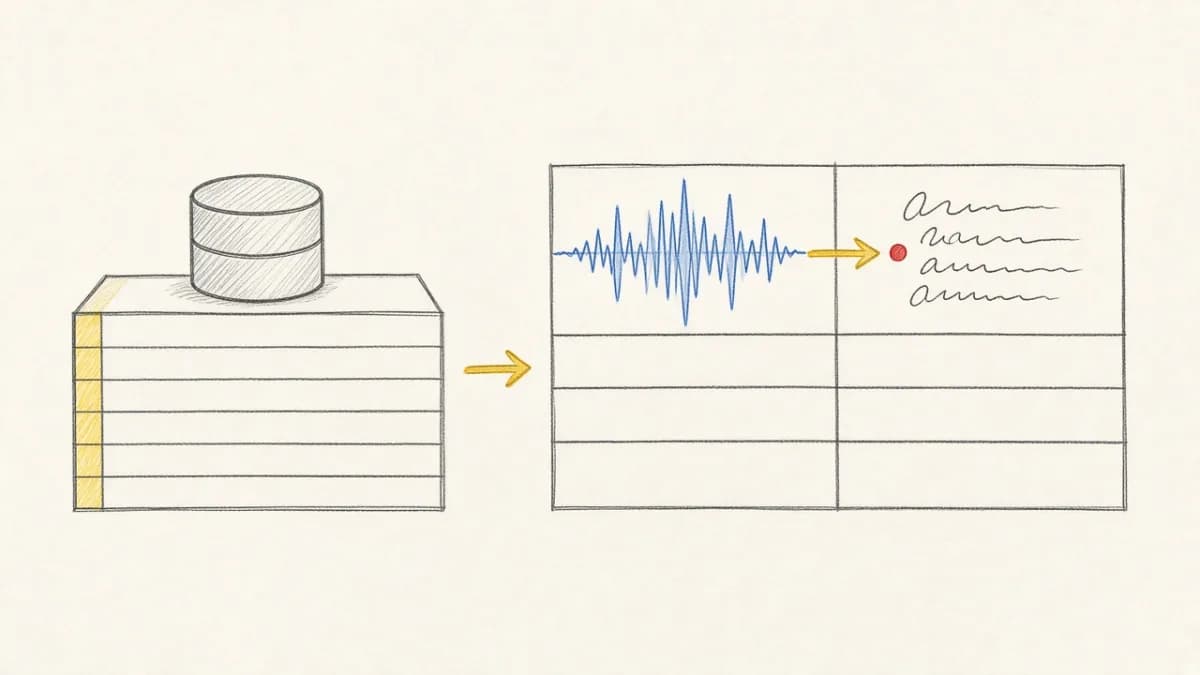
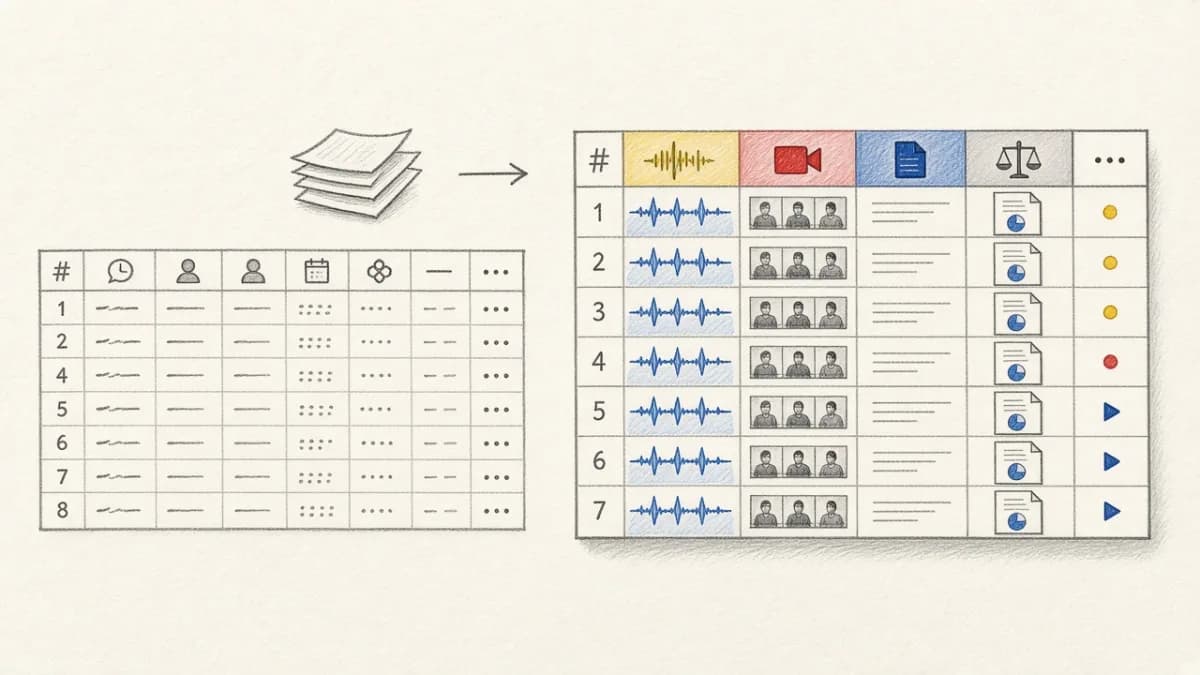
Pixeltable transforms RAG deployment by treating data as the foundation of your AI system. Instead of managing complex orchestration scripts, you define your RAG pipeline declaratively, letting Pixeltable handle the infrastructure complexity.
Key Principles for Production RAG#
- Declarative Data Management: Define what you want, not how to achieve it
- Automatic Synchronization: Keep embeddings and indexes perfectly aligned with source data
- Incremental Processing: Only process changed data, reducing costs and latency
- Built-in Lineage: Track data transformations for debugging and compliance
- Scalable Architecture: Handle growing data volumes without architectural changes
Building Production RAG with Pixeltable#
1. Scalable Document Ingestion#
The foundation of any production RAG system is robust document ingestion. Pixeltable treats documents as first-class types, automatically managing storage and metadata:
2. Intelligent Document Chunking#
Effective chunking is critical for RAG performance. Pixeltable's document_splitter iterator creates a view that automatically extracts text and splits it into chunks. New documents inserted into the parent table are chunked automatically:
3. Production-Grade Embedding Management#
Embedding management is where many RAG in production implementations fail. Pixeltable's embedding indexes are fully declarative: you specify the embedding function once, and Pixeltable automatically computes embeddings for all existing and future chunks, keeps them synchronized, and rebuilds the vector index incrementally:
4. Optimized Retrieval Pipeline#
Define reusable retrieval logic with @pxt.query functions. These return query expressions that can be used standalone or wired into computed column pipelines:
5. Response Generation with Monitoring#
Wire retrieval into an end-to-end pipeline using computed columns. Inserting a query row triggers the full chain (retrieval, prompt assembly, LLM call, and answer extraction) automatically:
RAG Observability and Monitoring#
RAG observability is crucial for maintaining production RAG systems. Because every step in the pipeline is a column, you can query and analyze any stage, from retrieval quality to LLM inputs to response patterns:
Performance Metrics#
Error Handling and Recovery#
Scaling Production RAG Systems#
Multi-Source RAG Architecture#
Scale your production RAG deployment by adding document sources and letting Pixeltable incrementally process them:
Performance Optimization#
Optimize RAG performance for production workloads. Pixeltable's incremental processing means only new or changed data is recomputed. You don't re-embed your entire corpus when adding documents:
Production RAG Best Practices#
Data Quality Management#
- Document Validation: Implement quality checks before ingestion
- Chunk Optimization: Monitor and optimize chunk sizes and overlap
- Embedding Quality: Regularly evaluate embedding model performance
- Content Freshness: Implement automated content update workflows
Performance Monitoring#
- Latency Tracking: Monitor end-to-end response times
- Accuracy Metrics: Implement automated quality evaluation
- Cost Optimization: Track and optimize embedding and LLM costs
- Resource Utilization: Monitor compute and storage usage
Security and Compliance#
- Access Control: Implement fine-grained permissions
- Data Lineage: Track data transformations for compliance
- Audit Logging: Log all system interactions
- Privacy Protection: Implement data anonymization where needed
Conclusion: The Future of Production RAG#
Production RAG systems require more than just good models; they need robust data infrastructure, comprehensive monitoring, and scalable architecture. Pixeltable's data-centric approach transforms RAG deployment from a complex engineering challenge into a manageable, scalable solution.
By focusing on data quality, automated synchronization, and comprehensive observability, you can build production RAG systems that deliver consistent, high-quality results at scale. The key is treating data as the foundation of your AI system, not an afterthought.