Summary: "Make building multimodal AI apps dead simple" is a clear promise: collapse the fragile Rube Goldberg stack (object store, orchestrator, embedding models, vector DB, serving layer) into one developer experience so you can focus on application logic instead of infrastructure. But "dead simple" lives or dies on what happens behind the API. Four heavy tasks have to become invisible: unified storage and versioning, automated orchestration, effortless retrieval, and a frictionless developer experience. This post breaks down what each requires, and the single architectural decision that delivers all four: making AI transformations part of the schema instead of bolting them on top.
The Promise Behind "Dead Simple"#
Handling text is one thing. Orchestrating video, audio, images, and documents simultaneously is notoriously hard. So when a tool promises to make multimodal AI "dead simple," it is making a specific claim: that it acts as the ultimate abstraction layer over a fragmented ecosystem.
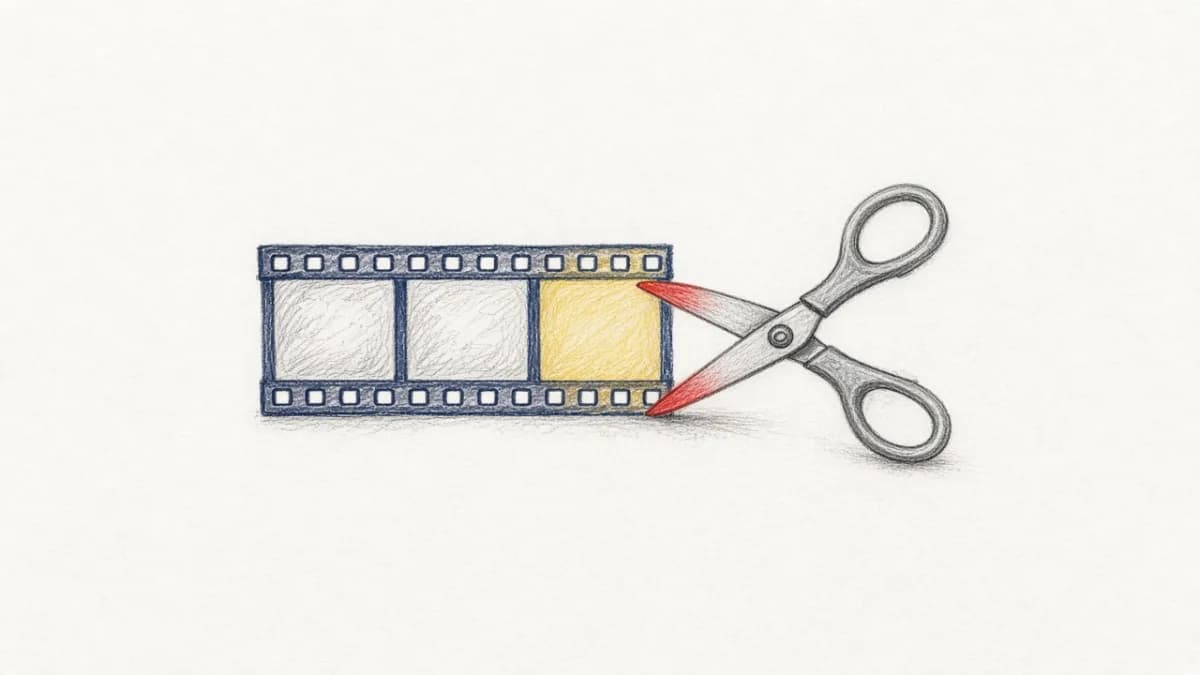
Building a multimodal app today usually means duct-taping together an object store for raw media, an orchestration framework to run the ETL, an embedding model per modality, a vector database to search them, and an LLM to generate the output. "Dead simple" means collapsing that fragile machine into a streamlined, unified experience. It means you will not spend weeks managing infrastructure, re-syncing vector stores when source data changes, or hand-chunking video frames. You write the application logic and the prompt. The system does the rest.
That is a strong promise. The honest question is what it actually takes to keep it. Below are the four things that have to work flawlessly, behind the scenes, before any tool can claim "dead simple" with a straight face.
The Four Things That Have to Become Invisible#
1. Unified Storage and Versioning#
You cannot have a dead-simple experience if the developer manually tracks where the raw MP4s live versus where the transcripts, frames, and embeddings are stored. The system must natively ingest, store, and version unstructured data (video, audio, images, text) in a single, cohesive environment.
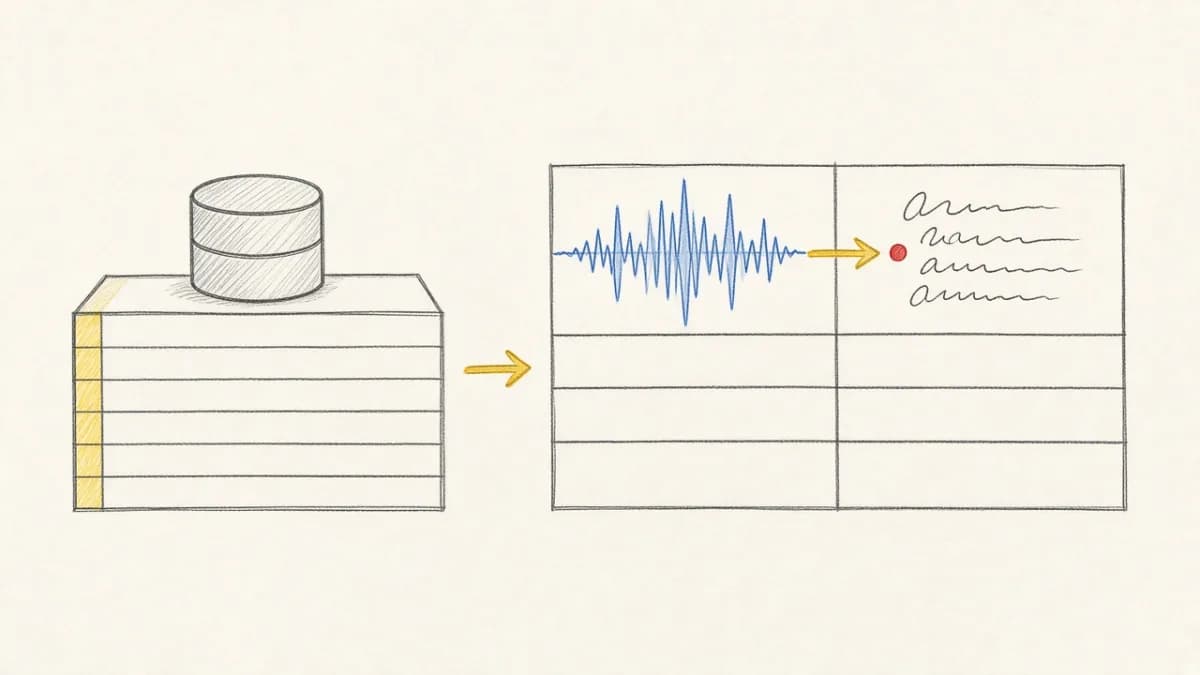
In Pixeltable, the table is that environment. Media is a first-class column type, not a blob reference you babysit. Raw inputs and every derived artifact live in the same place, and every write is versioned automatically.
Bring-your-own-bucket (S3, GCS, Azure, R2, B2, Tigris) means your media never has to leave storage you already control. The metadata, lineage, and versions are managed for you.
2. Automated Orchestration and Pipelines#
The moment source data is ingested or updated, the system must handle the downstream work itself: extract frames from video, transcribe audio, compute embeddings across modalities, and update the index, all without custom, fragile orchestration code.
This is where most stacks leak complexity. Pixeltable expresses the pipeline as declarative computed columns. You declare what each column should contain; the engine figures out execution order, runs the work on insert, and handles retries, rate limiting, and caching.
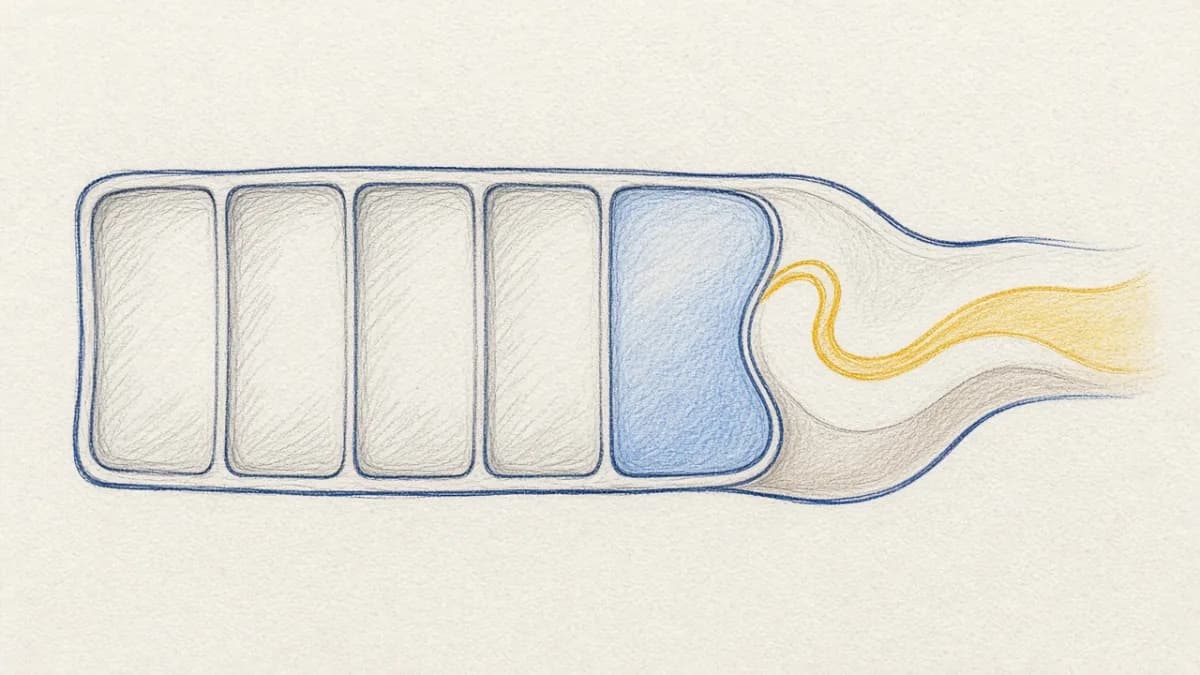
There is no Airflow operator, no queue, no "what changed since last run?" bookkeeping. Add a new video and only the new rows process. This is the difference between incremental computation and full re-processing.
3. Effortless Retrieval Strategies#
Retrieval-augmented generation is the backbone of most AI agents, and multimodal RAG is genuinely hard. A dead-simple platform must offer out-of-the-box vector search that works across text, image, and video embeddings without stitching together separate databases.
An embedding index in Pixeltable is a property of a column. It is created once and maintained automatically as data changes, so the index never drifts from the source of truth.
The vector store is not a second system you keep in sync. It is the same table, and the embeddings are derived data like any other column.
4. Frictionless Developer Experience#
"Dead simple" ultimately lives or dies on the API. It needs a clean, Pythonic interface that feels native to data scientists and engineers, and it has to play nicely with the tools developers already use: lightweight analytical engines, standard ML frameworks, and the latest LLM APIs.
Pixeltable is a pip install away and runs fully local with no Docker and no internet required. The same code that runs on your laptop runs in production. Swapping providers is a one-line change, and the catalog interoperates with the rest of the data ecosystem.
For teams who want to ship faster, the AI coding assistant becomes the installer: install the Pixeltable Skill, ask for what you want, and the assistant scaffolds a complete project from the Starter Kit.
The "How": AI Transformations Live in the Schema#
A good tagline says what. A good sub-headline says how. If we had to highlight one technical advantage that delivers all four must-haves at once, it is this:
Pixeltable is the only backend where AI transformations are part of the schema, not bolted on top.
Every other system stores state and asks you to bring the compute. You define a table, then wire up the pipelines, the embedding jobs, and the sync logic separately. Pixeltable stores state and flow: the transformation graph is declared once, in the schema itself.
That single decision is why the four hard things disappear:
- Storage and versioning are unified because derived columns belong to the same table as their inputs.
- Orchestration is automatic because the dependency graph is the schema; the engine runs it on insert.
- Retrieval is effortless because the embedding index is a column property that maintains itself.
- The developer experience is frictionless because there is one mental model (declare a column) instead of five services to integrate.
It also unlocks the capability nothing else has: incremental recomputation. Change an embedding model or a prompt, and Pixeltable recomputes only the affected cells. Competitors require a full re-ingest. Storage, orchestration, and retrieval stop being three problems and become one.
Where It Isn't Simple Yet (The Honest Part)#
Technical readers distrust "effortless" claims, and rightly so. A few things are deliberately out of scope, and saying so is part of earning trust:
- Real-time streaming (Flink-style) is not the model. Pixeltable is built for batch and transactional workloads; streaming primitives are a future, separate concern.
- Managed cloud scale for very high-throughput workloads is the next frontier, the gap that the upcoming managed runtime is built to close.
"Dead simple" is honest when it is scoped to the thing it actually simplifies: the multimodal AI data layer. That is the part we obsess over.
People Also Ask#
What is the hardest part of building a multimodal AI app? Keeping derived data (transcripts, frames, embeddings) in sync with source media as it changes. Most teams underestimate this and end up maintaining brittle ETL and a vector store that silently drifts from the source of truth.
Do I still need a vector database? No. In Pixeltable the embedding index is a property of a column and is maintained automatically. There is no second system to provision or keep in sync.
Does the same code run locally and in production? Yes. Pixeltable runs fully local with no Docker required, and the same declarations run against a managed runtime. The only difference is a connection target.
How does changing a model avoid reprocessing everything? Pixeltable tracks lineage per cell. When a model or prompt changes, only the cells that depend on it recompute, not the entire table.
The Promise, Kept#
"Make building multimodal AI apps dead simple" is only credible if the infrastructure quietly does the heavy lifting: unify storage and versioning, automate orchestration, make retrieval effortless, and stay out of the developer's way. The way to deliver all four without trade-offs is to stop treating AI transformations as an afterthought and put them where they belong, in the schema.
Declare a table. Add the columns you want computed. Insert your media. The pipeline runs, the index maintains itself, and you spend your time on the application, not the plumbing.
- Pixeltable on GitHub:
pip install pixeltable - Build a Multimodal AI App in 4 Steps: the scaffold-and-run path
- AI Transformations in the Schema: the core idea, in depth
- Five Things Pixeltable Does That Competitors Cannot: the compounding capabilities
- Pixeltable Documentation